
Cheston Cold: Causes, Symptoms, Treatment, and Prevention Explained Clearly
Chest congestion and chest-related cold symptoms are extremely common, yet many people casually refer to this condition as “cheston cold.” While it’s not a formal medical term, cheston cold perfectly describes that heavy, uncomfortable feeling in the chest that comes with coughing, mucus buildup, and breathing difficulty. Understanding cheston cold properly helps you treat it faster and avoid complications.
In this article, we’ll break down what cheston cold really means, why it happens, how to recognize it early, and what expert-approved treatments actually work. Whether you experience it seasonally or occasionally, this guide will give you a clear, practical understanding.
What Is Cheston Cold and Why It Happens
Cheston cold refers to a chest-based respiratory infection or inflammation that usually develops after a common cold or viral illness spreads downward from the throat and nose into the chest. Unlike a simple head cold, cheston cold affects the airways, bronchial tubes, and sometimes even the lungs.
This condition often occurs when mucus thickens and settles in the chest, making it harder to breathe normally. The body responds by triggering coughing to clear the airways, which is why persistent coughing is one of the main signs. In many cases, cheston cold is linked to bronchitis, viral chest infections, or prolonged cold exposure.
Environmental factors also play a big role. Cold weather, polluted air, smoking, weak immunity, and sudden temperature changes can all make the chest more vulnerable. People with asthma or allergies are especially prone to developing cheston cold symptoms faster and more intensely.
Common Symptoms of Cheston Cold You Should Not Ignore
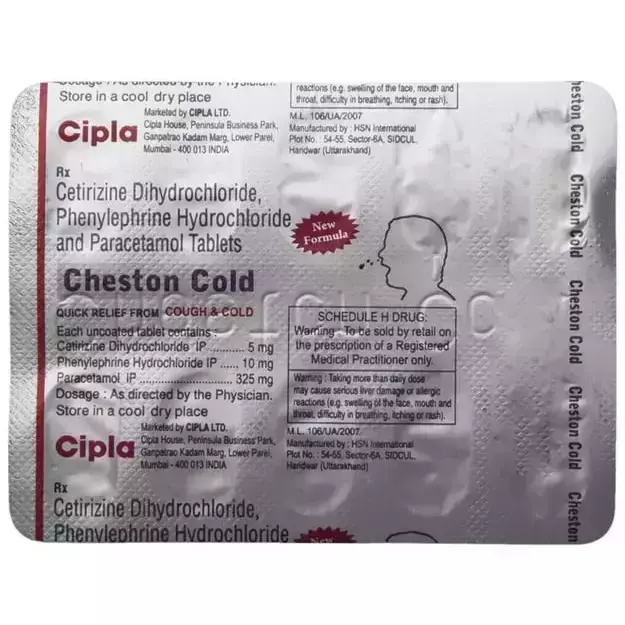
The symptoms of cheston cold usually begin mildly but can worsen if not managed early. One of the most noticeable signs is a deep, persistent cough, often producing thick mucus that may be clear, yellow, or greenish. This mucus buildup is the body’s attempt to trap and remove infection.
Another common symptom is tightness or heaviness in the chest. Many people describe it as pressure or a feeling that breathing takes extra effort. This sensation becomes more noticeable during physical activity, cold air exposure, or at night when lying down.
Additional symptoms may include mild fever, fatigue, wheezing, sore throat, and shortness of breath. While these symptoms are often manageable at home, worsening breathlessness, chest pain, or high fever may indicate complications and should never be ignored.
Main Causes Behind Cheston Cold Development
The most frequent cause of cheston cold is viral infection, particularly when a common cold is left untreated or the immune system is already weak. Viruses can easily move from the upper respiratory tract into the chest, leading to inflammation of the bronchial tubes.
Cold air exposure is another major contributor. Breathing in cold, dry air can irritate the airways, making them inflamed and more susceptible to infection. This explains why cheston cold cases increase during winter months and seasonal transitions.
Lifestyle habits also influence risk. Smoking, secondhand smoke, poor hydration, lack of sleep, and prolonged exposure to dust or pollution can damage airway defenses. Over time, these factors reduce the lungs’ ability to clear mucus effectively, allowing infections to settle deeper in the chest.
How Cheston Cold Is Diagnosed and Identified
In most cases, cheston cold is diagnosed based on symptoms and physical examination. Doctors listen to the chest using a stethoscope to detect wheezing, crackling sounds, or reduced airflow, which helps determine the severity.
If symptoms persist for more than two weeks or worsen rapidly, further evaluation may be required. Chest X-rays, oxygen level checks, or sputum tests help rule out pneumonia or bacterial infections. This is especially important for older adults or individuals with chronic respiratory conditions.
Self-awareness is also critical. Recognizing changes in mucus color, cough frequency, or breathing patterns helps identify whether a simple cheston cold is progressing into something more serious. Early attention often prevents unnecessary complications.
Effective Treatments for Cheston Cold That Actually Work
Treatment for cheston cold mainly focuses on relieving symptoms and supporting recovery, since most cases are viral and resolve naturally. Staying well-hydrated helps thin mucus, making it easier to cough out and clear the chest.
Steam inhalation is one of the most effective home remedies. Warm steam loosens mucus, reduces chest tightness, and soothes irritated airways. Many people find relief using warm showers or steam bowls combined with gentle breathing exercises.
Over-the-counter medications such as expectorants can help break up mucus, while cough suppressants may be used at night for better sleep. In cases where bacterial infection is confirmed, doctors may prescribe antibiotics, but these are not needed for most cheston cold cases.
Home Remedies and Natural Relief Options
Natural remedies can be extremely effective when used consistently. Warm fluids like herbal teas, soups, and honey-based drinks help soothe the throat and support mucus clearance. Honey, in particular, has mild antibacterial and anti-inflammatory properties.
Ginger and turmeric are widely known for their immune-boosting and anti-inflammatory effects. Consuming them in warm drinks or meals may help reduce chest inflammation and speed recovery. These remedies work best when combined with rest and proper nutrition.
Adequate rest is often underestimated. The body heals fastest when energy isn’t diverted elsewhere. Giving yourself enough sleep and avoiding physical strain allows your immune system to fight the chest infection more effectively.
How Long Does Cheston Cold Last and Recovery Time
Most cheston cold cases last 7 to 14 days, though coughing may persist slightly longer as the chest continues clearing mucus. Recovery speed largely depends on immune strength, rest quality, and early symptom management.
People who continue working through illness, ignore hydration, or smoke during recovery often experience prolonged symptoms. On the other hand, those who follow supportive care usually notice steady improvement within the first week.
If symptoms last longer than three weeks or worsen instead of improving, medical evaluation is recommended. Chronic coughing may indicate underlying conditions such as asthma, chronic bronchitis, or post-infectious airway sensitivity.
Preventing Cheston Cold Before It Starts
Prevention is far easier than treatment when it comes to cheston cold. Maintaining a strong immune system through balanced nutrition, hydration, and regular sleep plays a key role in protection.
Avoiding sudden temperature exposure is equally important. Wearing warm clothing, covering the chest and neck in cold weather, and avoiding cold air inhalation reduces airway irritation significantly.
Good hygiene habits also make a difference. Washing hands regularly, avoiding close contact with sick individuals, and minimizing exposure to smoke and pollution help prevent respiratory infections from settling in the chest.
When Cheston Cold Becomes Serious
While cheston cold is usually mild, it can become serious if ignored. Warning signs include persistent chest pain, high fever, rapid breathing, or bluish lips, which may signal reduced oxygen levels.
People with existing lung conditions, weakened immunity, or advanced age should be especially cautious. What starts as a simple chest cold can progress into pneumonia or severe bronchial infection if left untreated.
Knowing when to seek help is crucial. Early medical attention ensures proper care and prevents complications, allowing for safer and quicker recovery.
Final Thoughts on Understanding Cheston Cold
Cheston cold may sound casual, but the discomfort it causes is very real. Understanding what it is, why it happens, and how to treat it properly empowers you to recover faster and protect your respiratory health.
With the right balance of rest, hydration, home care, and timely medical support when needed, cheston cold is highly manageable. Listening to your body and acting early makes all the difference.
By staying informed and proactive, you can keep your chest healthy, breathing easy, and your immunity strong throughout the year.